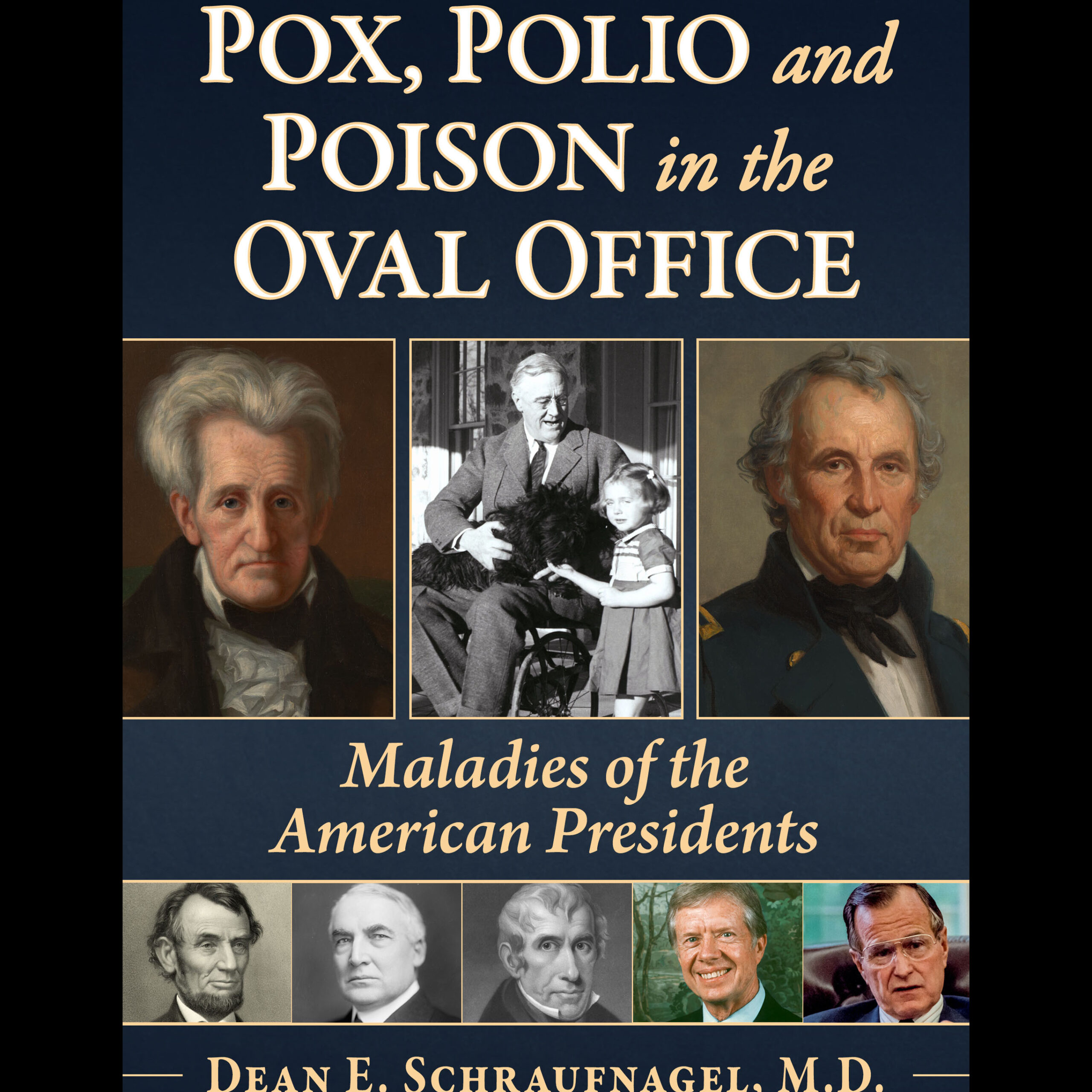
You may recognize: Quincy, Knox, Simpson, Birchard, Abram, Alan, Grover, Howard, Woodrow, Gamaliel, Calvin, Clark, Delano, S, Dwight, Fitzgerald, Banes, Milhous, Rudolf, Earl, Wilson, Herbert Walker, Jefferson, Walker, Hussein, John, and Robinette—the middle names of the 27 presidents who had one.
Names bestow identity. Surnames place people in family groups. Given names are what people go by, but what about the poor middle names? Many people never use them, and some use only an initial. Middle names can be weird or embarrassing, but often they are just ignored. Only 3 signers of the Declaration of Independence had middle names: Francis Lightfoot Lee, his brother Richard Henry Lee, and Robert Treat Paine.
The Romans used middle names, probably because of their great organizational skill and the need to identify people in populated areas. But they usually did not put the “middle name” in the middle, as for example, Gaius Plinius Secundus, Pliny the Elder, in English. This name is a bit strange because his nephew Pliny the Younger was Gaius Plinius Caecilius Secundus, and secundus means “junior” in Latin. Most East Asians have three-syllable names—family name, given name, and middle name. The last two may be combined, and the “middle name” does not come in the middle. The Prime Minister of South Korea is Han Seong-sook, where Han is her family name. In Korea, middle names take on great importance because about half of its people have the surnames Kim, Park, or Lee.
In Europe, middle names again returned in Italy in the late 13th century. The trend gradually spread across Europe and, by the early 20th century, most Europeans and North Americans had one. The American presidents followed this trend. John Quincy Adams was the first president to use his middle name, out of necessity to distinguish him from his father. Theodore Roosevelt was the last president with no middle name. U.S. government forms included a place for middle names in 1907, and World War I military registration forms asked for middle names or initials. Government forms now request middle names to distinguish individuals with a same first and last name.
Yet, middle names have many laudatory aspects. They can give their owners a choice–if you can’t stand your first name, use your second, as did Thomas Grover Cleveland and John Calvin Coolidge. Middle names can help avoid confusion: David Dwight Eisenhower chose “Dwight” to distinguish himself from his father, David Jacob Eisenhower. In parts of the U.S. (particularly girls in the South), middle names are part of their title, as in Mary Beth or Emma Sue. Occasionally, the first name is relegated to an initial, and the middle name takes over, as F. Scott Fitzgerald. Middle names can add a dash of class: Francis Lightfoot Lee is more memorable than Francis Lee; William Henry Harrison stands out more than William Harrison. Middle names increase the chances that your initials will spell a word. Hiram Ulysses Grant changed his name to Ulysses Simpson Grant because he thought the initials HUG were inappropriate for a military man. U. S. Grant could stand for “Unconditional Surrender” or “Uncle Sam.”
Washington, Adams, Jefferson, Madison, Monroe, Jackson, Van Buren, Tyler, Taylor, Fillmore, Pierce, Buchanan, Lincoln, Andrew Johnson, Benjamin Harrison, McKinley, and Theodore Roosevelt—17 in all—had no middle name. George Herbert Walker Bush was the only president with 2, and Harry Truman just got an initial. Only one middle name is (incompletely) shared by two presidents: “Walker” for the two Bushes.
Most presidential middle names honored family heritage, usually on the maternal side. The exception was Jimmy Carter’s middle name, which respected his father, Earl Carter. The “Henry” of William Henry Harrison; the “Jefferson” of William Jefferson Clinton; and the “John” of Donald John Trump had no heritage connection.
With the mounting number of people in the world, the rocketing amount of information about them, and the civil necessity to distinguish individuals, middle names are here to stay—presidents and all.